 |
 |
 |
|---|

 |
 |
|---|
 |
|
|---|---|
 |
 |
|
|
 |
|
|
|
 |
|
|
|
 |
|
|
|
 |
|
|
|
 |
|
|
|
 |
|
|
|
 |
 |
|---|
Exploring the World of Ancestry DNA Tests: Common Mistakes to AvoidIn recent years, the surge of interest in genealogy and personal history has led to a significant increase in the popularity of ancestry DNA tests. These tests promise to unveil secrets of your heritage, tracing back the roots of your family tree and offering insights into your genetic composition. However, as with any burgeoning technology, there are common pitfalls that one should be aware of to ensure a meaningful and accurate journey of discovery. Here, we explore some of these potential mistakes and how to avoid them. First and foremost, one of the most frequent errors is approaching these tests with unrealistic expectations. Many people embark on this journey hoping for dramatic revelations or to discover connections to famous historical figures. While DNA tests can indeed provide fascinating insights, they often reveal more subtle connections that require careful interpretation. It's important to approach your results with an open mind and a realistic understanding that the information provided is just one piece of a much larger puzzle. Another common mistake is neglecting the importance of understanding the scope and limitations of the test you are taking. Different tests offer different types of information. For instance, some tests focus on autosomal DNA, which can provide a broad overview of your ancestry but is typically limited to the past few generations. Others may analyze mitochondrial DNA or Y-chromosome DNA, which trace maternal or paternal lines, respectively. Ensuring you understand what each test offers can prevent disappointment and allow you to make informed choices about which test best suits your interests. Additionally, many users fail to fully comprehend the ethical and privacy implications of submitting their DNA for analysis. When you provide a company with your genetic material, you are often agreeing to terms and conditions that allow them to use your data in various ways. It is crucial to thoroughly read these agreements and understand how your data will be stored, used, and potentially shared. Opting for companies that prioritize data privacy and transparency can mitigate potential risks. Moreover, interpreting DNA test results without considering the context can lead to misunderstandings. DNA is just one part of the story, and it is influenced by historical, geographical, and social factors. Consulting with genetic counselors or experts can be beneficial, as they can provide insights into the broader implications of your results and help you navigate any complexities that arise. Lastly, a frequent oversight is not taking advantage of the available resources and communities that can enhance the experience. Many testing companies offer access to online platforms where you can connect with potential relatives or participate in discussions about ancestry and genealogy. Engaging with these resources can enrich your understanding and provide a support network as you explore your genetic heritage. In conclusion, while ancestry DNA tests offer a fascinating glimpse into your personal history, it is essential to approach them with a clear understanding of their capabilities and limitations. By avoiding these common mistakes, you can ensure a more rewarding and insightful journey into your past. Remember, the story of your ancestry is a tapestry woven from countless threads, and DNA is just one of the many strands that contribute to the rich narrative of your heritage. https://www.crigenetics.com/?srsltid=AfmBOophUuml5QpyGrtSwXHf4Ra20ImBUtZtqV8VeUlWa8T0p3Wpqy34
Discover your unique genetic makeup with CRI Genetics. Our DNA testing provides detailed ancestry insights and personalized health reports. Learn more now. https://www.23andme.com/dna-ancestry/?srsltid=AfmBOoqMKZlyYpc8QHwJbzQx4Im0njGs_oSOfAF99IqNr3Es1VHOqQ9J
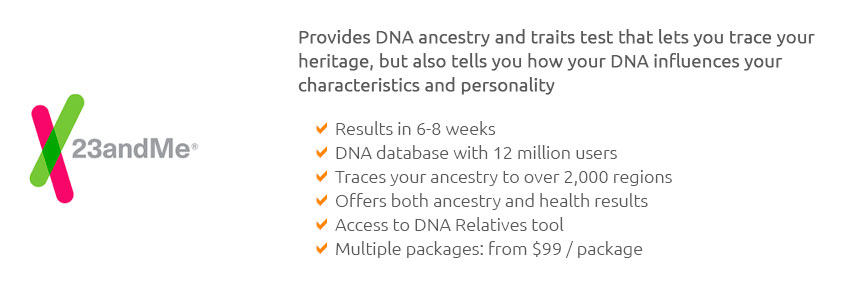
The 23andMe Ancestry DNA testing service offers ancestry breakdowns across 3500+ geographic regions plus insight into your heritage, relatives and more. https://www.familytreedna.com/?srsltid=AfmBOoohaqm9HbWOxNmw49Pct9xZcEIa1KcjRt5LC8jvH5S2cIegwNGO
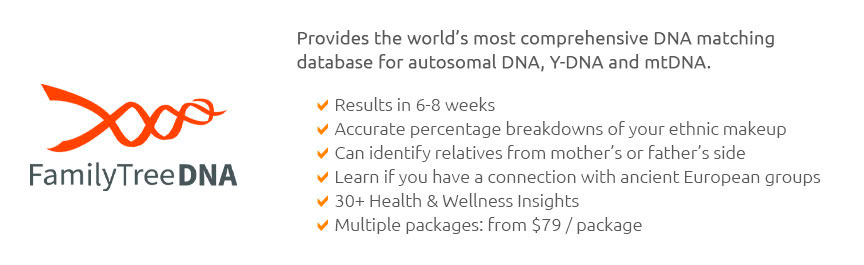
Discover your DNA story and unlock the secrets of your ancestry and genealogy with our autosomal DNA, Y-DNA and mtDNA tests.
|
|---|

